Baseball Protective Gear for Every Position
Baseball protective gear helps players reduce exposure to impact during batting, catching, pitching, and fielding. The right setup depends on position, age group, playing level, and league requirements. Batters commonly use a helmet, batting gloves, and, when appropriate, a face guard or elbow and leg guards. Catchers need a coordinated set that typically includes a helmet or mask, chest protector, and shin guards. Players may also consider sliding mitts, protective cups, padded shirts, or wrist guards for specific needs. Shop by equipment type and intended use rather than assuming one set suits every player. Ubuy offers a way to discover international baseball protective gear and compare different product styles. Checking the product description, sizing guidance, and included components helps clarify what each item is designed to protect.
- Choose equipment for the player's position and activity
- Check age, fit, and applicable league requirements
- Compare individual items with complete protective sets
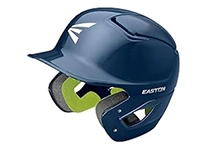
Batting Helmets, Face Guards, and Eye Protection
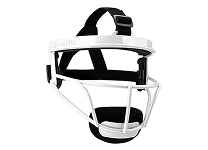
A batting helmet is essential for protecting the head from accidental contact with a pitch or other impact. Look for a secure, comfortable fit that sits level, covers the forehead, and stays in place when the player moves. Models may include a pre-attached face guard, while compatible add-on guards provide coverage over one side of the face. Check that a guard is designed to fit the specific helmet rather than relying on appearance alone. Ventilation, interior padding, a chin strap, and a low-profile shell can affect comfort during long innings. Some players also use protective eyewear in bright conditions, but it should not obstruct vision or helmet fit. Compare product specifications and care instructions, and confirm that the equipment suits the player's level and applicable rules before purchase.
- Prioritize a stable fit and clear field of vision
- Confirm face-guard and helmet compatibility
- Review padding, ventilation, and care details
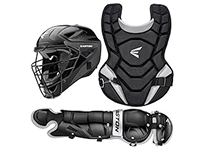
Catcher's Gear: Masks, Chest Protectors, and Shin Guards
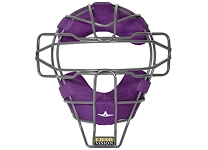
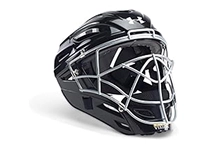
Catchers use several pieces of protective equipment together because they work close to the batter and frequently block or receive fast-moving balls. A catcher's helmet and mask should provide secure coverage while allowing clear sightlines; throat protection may be built in or supplied separately. Chest protectors vary in shape, padding, closure, and sizing, while shin guards are selected for leg coverage, mobility, and a secure fit around the knee and ankle. Youth and adult designs are not interchangeable by default, so use the maker's sizing chart and check which components are included. Brands such as Rawlings, Easton, Mizuno, and Wilson are familiar names in baseball equipment; compare individual models rather than assuming identical features. Ubuy can help shoppers explore catcher's sets and separate components from international product ranges.
- Check that mask, chest protector, and leg guards fit together
- Compare coverage, padding, and fastening systems
- Verify exactly which pieces a set includes
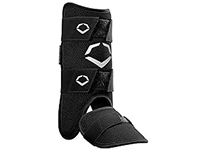
Batting and Fielding Guards for Added Coverage
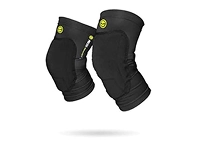
Position-specific guards can add protection without requiring a full equipment set. Batters may choose an elbow guard, wrist guard, or shin guard to shield exposed areas while swinging; sliding mitts help cover the hand and wrist during a slide. Pitchers and infielders sometimes use padded shirts or protective inserts, while catchers may add a cup or other suitable personal protection. Materials often include molded plastic shells, foam padding, elastic straps, and flexible fabric panels. A hard shell can help disperse impact, whereas softer padding may favor flexibility and a close fit. Check whether guards are made for the left or right side, how they attach, and whether they interfere with a glove, uniform, or swing mechanics. Select products for the specific activity and follow the manufacturer's instructions for use.
- Match guards to the body area and baseball activity
- Check side orientation, straps, and movement range
- Compare shell materials with padding and flexibility
Fit, Materials, Compatibility, and Care
Protective equipment only works as intended when it fits securely and remains in good condition. Measure the player using the manufacturer's instructions, then compare those measurements with the product's size chart; age labels alone may not reflect individual fit. Adjustable straps and removable padding can make fine-tuning easier, but gear should not shift, pinch, or restrict movement. Check compatibility between helmet shells and face guards, and make sure catcher's equipment works with the player's uniform and other protective layers. After use, follow care labels: air-dry damp items, clean surfaces with suitable products, and avoid heat or chemicals that could damage foam, fabric, or plastic. Inspect seams, buckles, straps, padding, and shells regularly, replacing worn or damaged pieces. Ubuy product listings can be compared by size, materials, features, and included accessories.
- Use measurements and the maker's sizing chart
- Inspect fit and compatibility before playing
- Clean, dry, and check equipment after use
Select the Right baseball protective gear
Start with the player's position, the situations that call for protection, and any applicable league or coach guidance. Make a checklist of essentials, then compare complete sets with individual pieces to avoid missing components or buying unnecessary duplicates. For each option, review sizing, coverage, weight, ventilation, adjustment points, materials, and compatibility with existing equipment. Consider how often the gear will be used and whether it is easy to clean, store, and adjust as the player grows. Prioritize a secure fit and freedom of movement over color or styling, and replace equipment that no longer fits or shows damage. When comparing products on Ubuy, read specifications carefully and confirm the exact model, size, and accessories listed. A considered choice can help players feel prepared at practice and during games while keeping protection suited to their role.
- Build a position-specific checklist before comparing products
- Balance coverage, comfort, movement, and fit
- Confirm the model, size, and included accessories