Automotive Lighting Assemblies: Types and Functions
Automotive lighting assemblies combine a light source, housing, lens, reflectors, and electrical connections to illuminate the road or make a vehicle visible to others. Common exterior assemblies include headlight and headlamp units, tail lights, brake lights, turn signal indicators, fog lamps, daytime running lights, and side marker lights. Some products replace a complete sealed unit, while others are individual housings or component parts designed for a particular repair. Interior lighting, such as dome, map, and cargo lamps, serves different visibility needs and may be sold separately. Understanding the function of each assembly helps narrow a search to the correct part. When browsing automotive lighting assemblies on Ubuy, shoppers can compare product types and specifications to identify options that fit their vehicle and intended use.
- Headlights, tail lights, fog lamps, and signal assemblies
- Complete units and replacement components
- Interior and exterior vehicle lighting
Headlight, Tail Light, and Auxiliary Assembly Options
Headlight assemblies are available in configurations such as reflector, projector, and composite designs. Reflector housings direct light using shaped reflective surfaces, while projector assemblies use a lens to focus the beam. Tail light assemblies commonly combine running, brake, and turn signal functions, with the exact layout varying by vehicle. Auxiliary lighting includes fog lamps, driving lights, and work lights; these can support visibility in particular driving or work conditions when correctly selected and installed. Some assemblies are sold as a left- or right-side unit, while others are packaged as a pair. Look closely at product descriptions and images to distinguish a full assembly from a bulb, lens, or mounting accessory. Recognized automotive lighting names include HELLA, Valeo, Philips, and OSRAM, though fit and specifications matter more than brand alone.
- Reflector and projector headlight designs
- Integrated tail and signal light functions
- Auxiliary fog, driving, and work lights
Lighting Technologies, Bulbs, and Key Features
Lighting technology affects an assembly's operation, appearance, and replacement requirements. Halogen bulbs are common in many vehicles and are typically replaceable, while HID systems use a discharge lamp and related components. LED assemblies use light-emitting diodes and may have integrated light sources rather than serviceable bulbs. Check whether a product includes bulbs, ballasts, drivers, or wiring, and confirm whether any are required separately. Useful features to compare include beam pattern, lens clarity, housing construction, connector design, adjustment provisions, and functions such as daytime running lights or sequential indicators. Terms like low beam, high beam, DRL, and adaptive lighting describe different functions, not universal fitment. Product images and specifications can help clarify what is included. Ubuy offers a place to discover international automotive lighting products and compare listed features before choosing an assembly.
- Halogen, HID, and LED technologies
- Check included bulbs and control components
- Compare beam type, connectors, and functions
Vehicle Fitment, Compatibility, and Assembly Specifications
Correct fitment is essential because automotive lighting assemblies are designed around vehicle-specific mounting points, electrical connectors, and body contours. Check the vehicle's make, model, model year, trim, and body style against the listing, and use an original equipment or part number when available to cross-reference a replacement. Left-hand and right-hand assemblies are not interchangeable unless the product details explicitly say so. Also confirm the lighting configuration, such as halogen or LED, and whether the assembly is intended for a particular headlight system. Connector shape, wiring, mounting tabs, and included hardware can affect installation. A similar-looking lens does not guarantee compatibility, so compare product specifications with the existing part and vehicle documentation. If details remain unclear, consult a qualified parts professional or technician before ordering to reduce the chance of choosing an incompatible assembly.
- Match make, model, year, and trim
- Verify side, connector, and lighting system
- Cross-reference part numbers when available
Installation, Adjustment, and Lighting Assembly Care
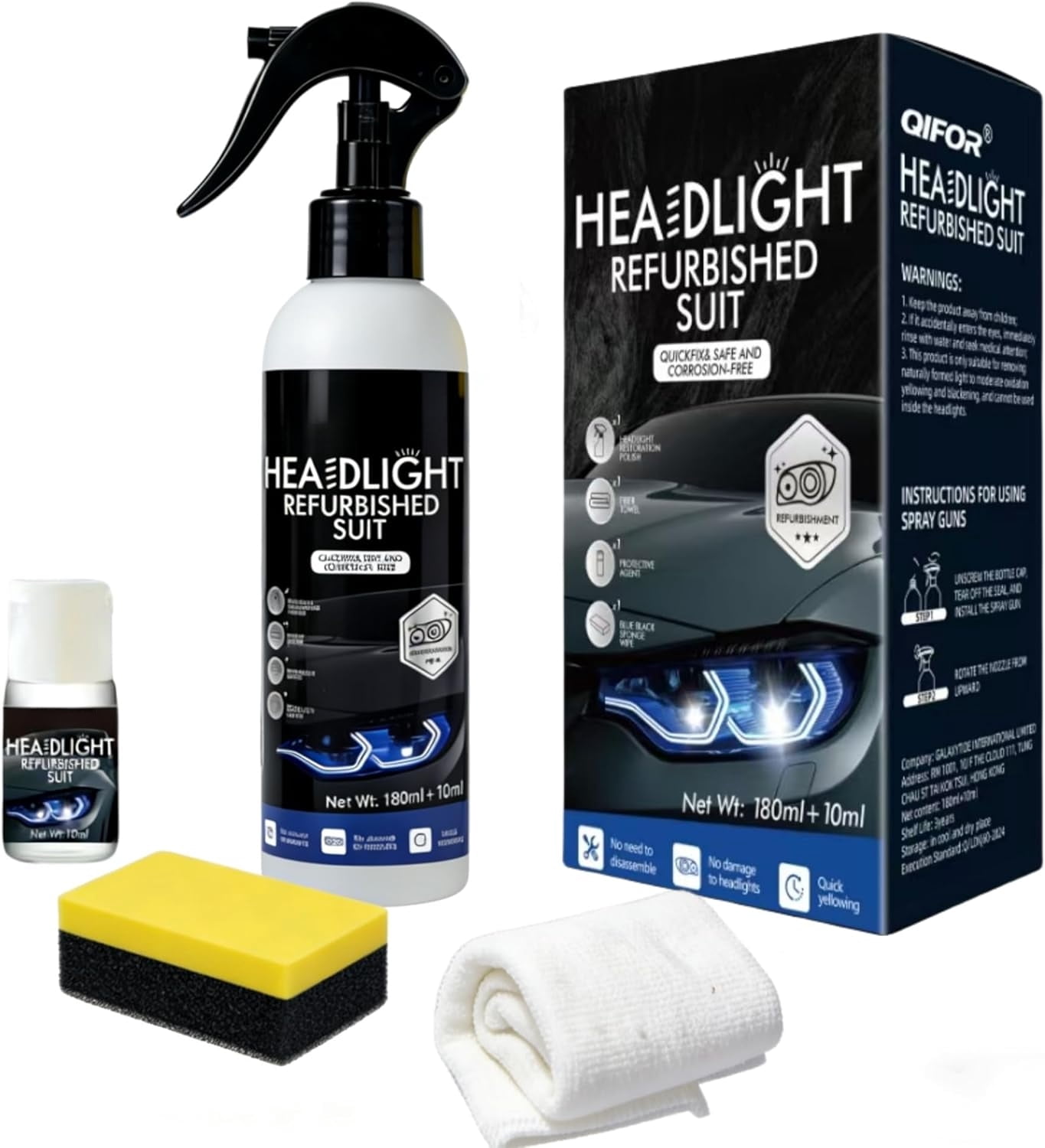
Installation requirements vary from a direct replacement to work involving access behind a bumper or other body panels. Before purchasing, check whether the listing includes mounting hardware, bulbs, wiring, and adjustment components; these items may be separate. Follow vehicle service information and product instructions, and seek professional installation when electrical work, calibration, or complex disassembly is involved. After fitting a headlight assembly, correct aiming is important so the beam illuminates appropriately without creating unnecessary glare. Keep lenses clean with suitable care products, and inspect housings, seals, connectors, and mounting points for damage or moisture. Condensation behavior can vary by assembly design, so refer to its instructions when assessing a concern. Replacing a damaged lens or unit promptly helps restore the intended lighting function. Store removed parts and packaging until fitment is confirmed, where practical.
- Check included installation parts
- Follow instructions and verify headlight aim
- Inspect lenses, seals, and connectors
Select the Right automotive lighting assemblies
Start by identifying the lighting function that needs replacement, then confirm the vehicle details and required assembly side. Compare complete assemblies with component-only options so you know whether the listing includes a housing, lens, bulbs, and electrical accessories. Review the lighting technology, connector type, beam configuration, mounting points, and any vehicle-specific requirements. Material and construction details can also matter: lens clarity, housing design, and sealing influence how the assembly suits its intended position and use. Consider whether you want a factory-style replacement or a different appearance, while checking that the product remains compatible with the vehicle. Read product specifications carefully and compare them with the existing part or service documentation. Ubuy can help shoppers discover international automotive lighting assemblies across different product types; use listing details to make an informed selection suited to your vehicle and repair needs.
- Confirm the needed function and assembly side
- Compare included parts and specifications
- Prioritize verified vehicle compatibility